




















For many years, Varkalis has been collecting ceramic and metal articles – witnesses of everyday life of the Klaipėda region population. After World War II, when the political system changed, all those things seemed to be worthless. They were simply thrown away as a new everyday soviet life was built. Only later did some understand that those objects might be a potential gain so they tore off and took away whatever had been left: door locks, door handles, door bells with doors or without them, wrought bars, etc. For others, both everyday objects and art objects used for interior decoration were priceless part of cultural history of the region which underwent tragic transformations. Varkalis as an ardent patriot of the region was the first to understand the point.
The restored clocks from his collection have complemented the exhibition of the Watch and Clock Museum of the LAM. Old blacksmithing tools and ironware, wrought iron grave fences from the destroyed old town cemetery, which were saved from the fate of scrap metal, gave birth to the Blacksmithing Museum, the branch of the History Museum of Lithuania Minor, where Varkalis currently works by putting a lot of his efforts into education of children and young people and by promoting old crafts and cultural heritage of the region.
Varkalis gave the rich collection of the fine metal and ceramic articles which were common in the region of Klaipėda from the 19th and the early 20th centuries over to the Lithuanian National Museum of Art yet in 1988. It was displayed several times at the Pranas Domšaitis gallery. In recent years, the growing interest in the past of Lithuania Minor, the region of Klaipėda, prompted to hold a standing exhibition of the collection.
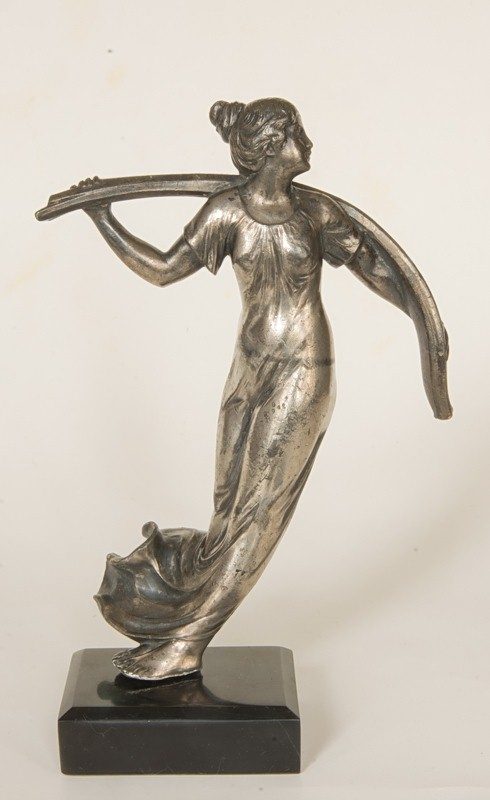
China and faience tableware, bronze and silver figurines, medals, candle holders, vases, cutlery and table decorations testify to the everyday life of residents of Klaipėda and the entire coastal region and reflect aesthetic taste of middle-class and common citizens. Even such functional objects as door handles, cabinet handles, fastening speak volumes for the times when everyday objects had to be durable and beautiful. Amulets unique to fishermen and sailors reveal special nature of the port.
A significant portion of ceramic articles – cups, plates, saucers, and different souvenirs – are decorated with the views of the town and the region of Klaipėda or marked with the inscriptions of former restaurants, inns and hotels. We can find the markings of Klaipėda, Tilžė, Königsberg merchants trading in goods of European china and faience manufacturers with Lithuania Minor. Some metal tableware, forks with the “Herm. Blode” marks remind of the times of Nida artists’ colony whose participants used to stay at the well-known guest house of Papa Blode. The collection features medals, signs, badges which together with the broad set of postcards with the pre-war views of Klaipėda town testify to the educational and historic significance of the collection.
The Varkalis collection has an undeniable artistic value. Ceramic articles bear the marks of the famous European china and faience manufacturers: Francis Gardner and M. S. Kuznetsov (Russia), Wedgwood (England), Meissen, Altwasser, Ilmenau, Tiefenfurt, Rosenthal (Germany), etc. Bronze figurines, candle holders, cutlery were also created by artists and craftsmen from different European countries. The exhibits of the collection reflect the predominant styles of European art of the 19th to the early 20th-centuries: Empire, Biedermeier, Historicism, Art Nouveau, and Art Deco. Looking at them gives us the feeling of travelling in time.
Kristina Jokubavičienė
Current safety regulations require the visitors to wear face masks and maintaining social distance of at least 2 m. Please follow the instructions given by the museum personnel and the signage that is placed throughout the museum floor to help encourage proper social distancing. Don’t forget to cover your mouth and nose with a tissue or your elbow before coughing or sneezing. Exhibitions and permanent exhibits can be visited without the Green Pass.