





















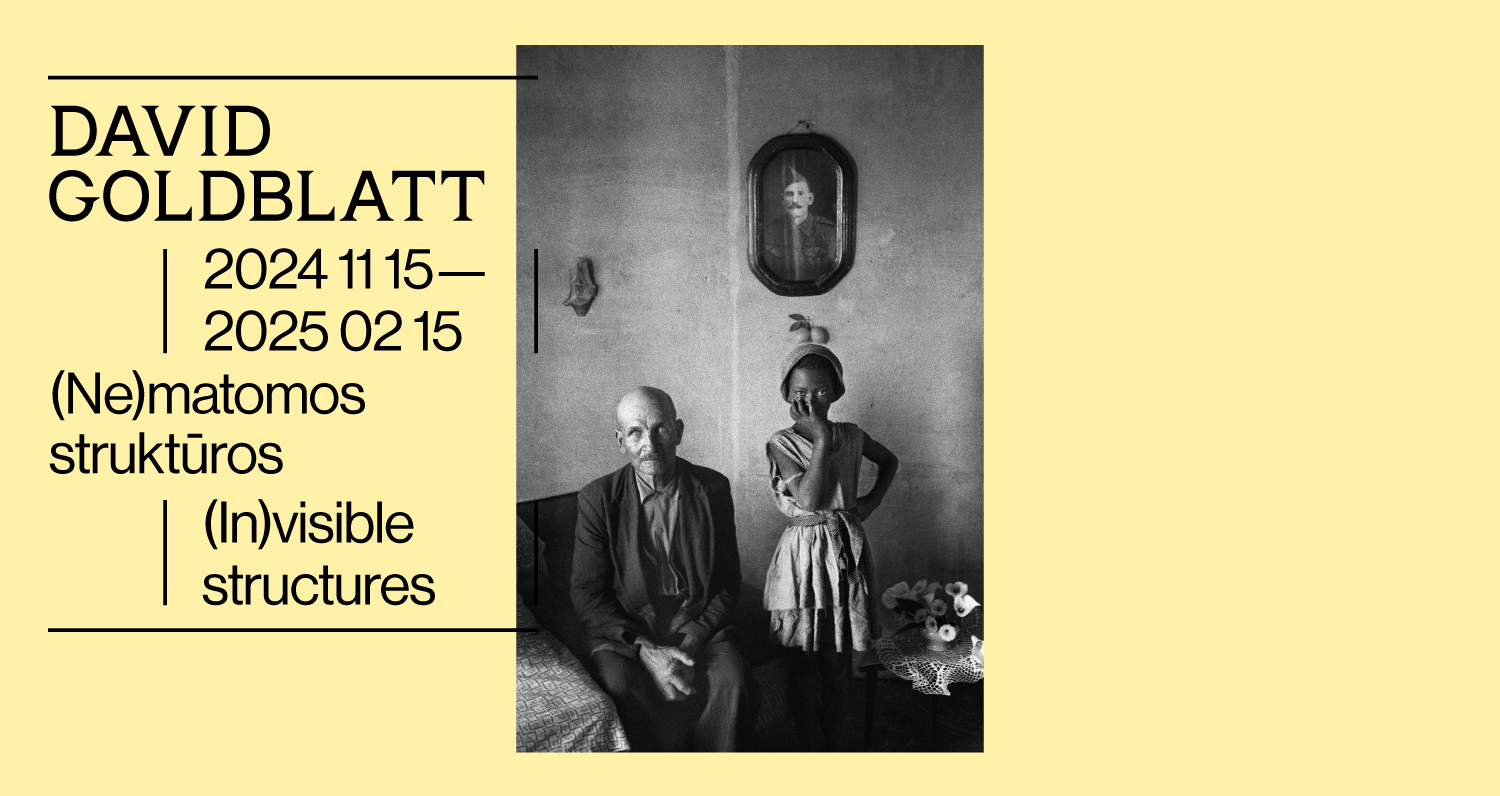
Goldblatt’s Structures, initiated in 1983 and continued for over thirty years, offers a visual history of public spaces and landscapes shaped in South Africa from the colonial era onwards. Through a series of images depicting churches, monuments, public buildings, and urban and agricultural landscapes, the photographer reveals how all constructions reflect the beliefs and ideologies of those who design and use them. As the author himself says, the way we shape landscapes, particularly through architecture and other forms, is ‘eloquent of the needs, preferences, imperatives, and values of those who made and use them.’
The exhibition section First Series presents photographs that brought Goldblatt early recognition. Although he began taking photographs as a teenager, he only devoted himself to photography professionally at the age of 33. At that point, he started working for corporations and magazines while also pursuing his own projects. On The Mines is the earliest of his mature series, focusing on the reality of the gold mines that formed the backbone of South Africa’s economy for most of the 20th century. Some Afrikaners Photographed reveals the everyday life of South Africa’s white, mostly rural, and often poor population. A decade later, Goldblatt photographed the black residents of Soweto, South Africa’s largest township on the eastern edge of Johannesburg. He then photographed the white middle class in Boksburg, a small town neighbouring Johannesburg. In each of these series, people are central. The photographer captures their presence in the spaces they inhabit, reflecting both the environments they have shaped and those that shape them.
David Goldblatt (1930–2018), one of the most important photographers in South Africa, shows, teaches, and testifies to a critical and conscious gaze at reality with all his photographic work. This conscious looking is a form of participation, as in-depth knowledge allows for understanding, and understanding allows for conscious choices. Goldblatt’s calm and seemingly insignificant photographs are not what they appear. Each landscape, portrait, or photograph of a building consists of many layers, and their discovery requires time and effort from the viewer. Those who undertake it will leave the exhibition changed.
The exhibition is organised in partnership with Goodman Gallery (Johannesburg) and with the support of The David Goldblatt Legacy Trust.
Curator Karolina Ziębińska
Exhibition design Mindaugas Reklaitis
Graphic design Ugnė Balčiūnaitė
Coordinators of the exhibition: Ugnė Makauskaitė, Giedrius Gulbinas
Coordinators of the events and educational programmes: Goda Aksamitauskaitė, Austėja Tavoraitė, Kotryna Markevičiūtė, Eglė Nedzinskaitė, Beatričė Mockevičiūtė
Communication coordinators: Rūta Statulevičiūtė-Kaučikienė, Emilija Blockutė
Translator Evelina Slavinskienė
Copy editors: Laura Patiomkinaitė-Čeikė, Emma Stirling, Alexandra Bondarev
Audiovisual technician Vytautas Narbutas
Installation team: Vadim Šamkov, Vidas Juršėnas, Dainius Markevičius, Tomas Orlovas, Lukas Narvilas, Norbert Hinc, Andrius Ivanovas, Tomas Karolis Kucharskis, Salvijus Misevičius
Exhibition organiser LNMA NGA
Exhibition partner Goodman Gallery
Sponsors: Ministry of Culture of the Republic of Lithuania, A4 Arts, Exterus:Fundermax
Project is partially funded by Good Will Foundation
Media partner LRT
Media sponsor JCDecaux
Social partners: Sienos grupė, Artscape
Special thanks: The David Goldblatt Legacy Trust, Embassy of the Republic of Lithuania to the Republic of South Africa
- Purchase an e-ticket for this exhibition
- Book a guided tour of this exhibition by phone +370 5 219 5961, email edukacija@ndg.lt
- Plan your visit to the National Gallery of Art