










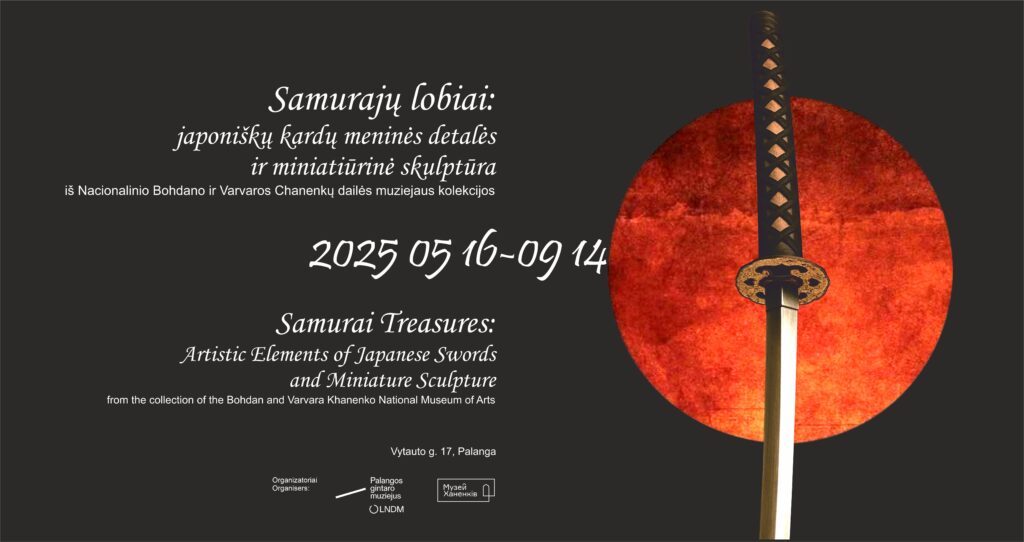
The samurai was the prototype of the Japanese military knight and embodied all the qualities of the environment that shaped him. Literally, samurai means ‘one who is at the service of another’ but they were also known as bushi, or warriors. In general, the word samurai referred to a type of elite warrior of pre-modern Japan that emerged in the country’s most populated provinces in the early 10th century and later evolved into a class that governed the country from the 12th century until the Restoration of the Emperor Meiji in 1868. The main reason for the emergence of the samurai was the collapse of central government in Kyoto controlled by the courtiers in the emperor’s service, and the need for local administration in the provinces. The samurai served as delegated officials in charge of provincial government, operatives at courtiers’ private estates known as shoen, and in religious institutions. The reins of the samurai class were held mostly by descendants of the Imperial family.
The selection of objects reflects the Japanese cultural concept of ‘greatness in the small’, where a very small object embodies entire worlds – in this case, the social and material worlds of old Japan. Primarily, it is a collection of artistic elements of Japanese swords and miniature sculptures – netsuke. Cold steel was an integral part of Japanese knightly armour and was also closely associated with the cult of Bushido, the ‘way of the warrior’, which revolved around the possession of a sword. Meanwhile, small netsuke trinkets, favoured by the townspeople, became a common element in Japanese men’s and later women’s clothing, taking on the role of pockets, which were absent from Japanese costumes. The miniature sculptures were also used by the military, performing not only a functional role but also serving as ornamental jewellery that emphasised the individuality of its owner. The small objects presented in the exhibition exemplify the careful attention that the people of Japan paid to even the smallest things in all aspects of life, including elements of samurai attire.
- Purchase an e-ticket for this exhibition
- Book a guided tour of this exhibition by phone +370 460 51 319, email gintaro.muziejus@lndm.lt
- Plan your visit to the Palanga Amber Museum