










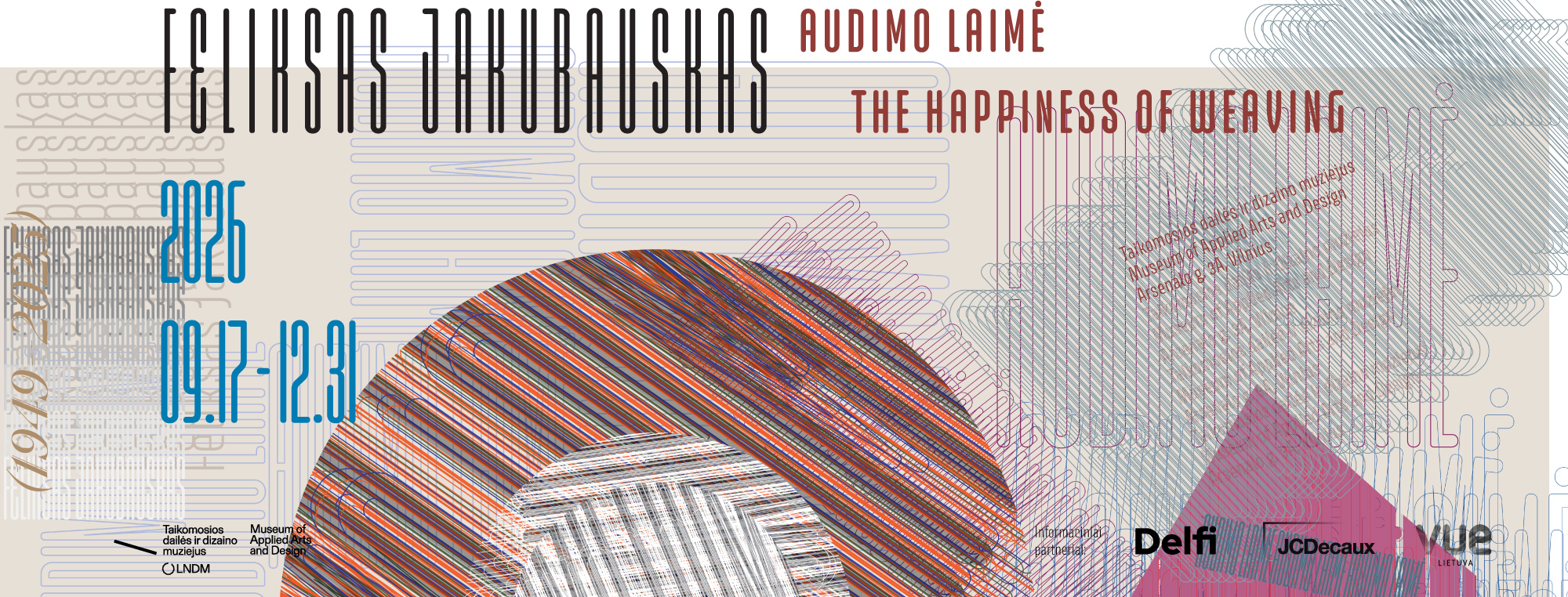
Weaving is inseparable from Feliksas Jakubauskas’s artistic identity. Although thoroughly acquainted with experimental developments in textile art, he never succumbed to the lure of novelty for its own sake. Instead, he remained faithful to weaving, continually refining its expressive possibilities. He conceptually transformed the classical tradition of tapestry weaving, infusing it with a contemporary sensibility, poetic resonance, and the vibrant heritage of Lithuanian rural weaving, thereby achieving a harmonious balance between tradition and modernity.
This exhibition spans more than four decades of Jakubauskas’s artistic career. It is dominated by works from the last decades of his life, revealing both the distinctive individuality of his artistic vision and his exceptional technical mastery. To reveal the essence of his work, it was necessary to deconstruct it, unfolding it as though laying bare the very principles of his creative method. What inspired him? How did his artistic language evolve, and what forms did it assume over different periods? Jakubauskas’s textiles are characterised by an associative visual language built upon poetic imagery and metaphor. His world contains neither inner turmoil nor destructive tension, nor any sense of excessive drama. His tapestries resonate with music, echo with poetry, and give form to the most intimate human thoughts. Working with a remarkable economy of means, he deliberately avoided literal representation, favouring harmonious arrangements of suggestive, abstract forms instead. Squares, triangles, pyramids, fans, straight and diagonal lines — recurring motifs born of imagination — were disciplined by the master’s assured hand into compositions of striking vitality and endless variation.
Over the course of his career, Jakubauskas presented nearly thirty solo exhibitions in Lithuania and abroad and participated in more than two hundred group exhibitions worldwide, as well as international textile symposia in Hungary, Switzerland, Russia, Belgium, and Poland. His international reputation was affirmed by major awards at competitive textile exhibitions in Łódź (Poland), Pittsburgh (USA), Cheongju (South Korea), Beijing, Budapest, Moscow and elsewhere, as well as by invitations to serve on international exhibition selection committees and expert panels. His final distinction was the Grand Prize of the European Tapestry Triennial Artapestry 7, which toured Germany, Denmark, Sweden, and Hungary in 2024–2025. His works are held in museums, public institutions and private collections in Lithuania and abroad, including Poland, Hungary, Germany, Russia, South Korea, and the United Arab Emirates. Jakubauskas was a member of the Lithuanian Artists’ Association (since 1985), the European Tapestry Forum, the American Tapestry Alliance, and several other international professional organisations.
Lijana Šatavičiūtė-Natalevičienė
Project manager Džiuljeta Žiugždienė
Curators: Dr Lijana Natalevičienė, Dr Jurgita Ludavičienė
Coordinator Lina Bilinskienė
Architects: Saulius Valius, Rasa Butškytė
Architect-Coordinator Eglė Jagminė
Designer Marius Žalneravičius
Editor Dr Ieva Puluikienė
Translator Dr Raminta Bumbulytė
Lijana Šatavičiūtė-Natalevičienė
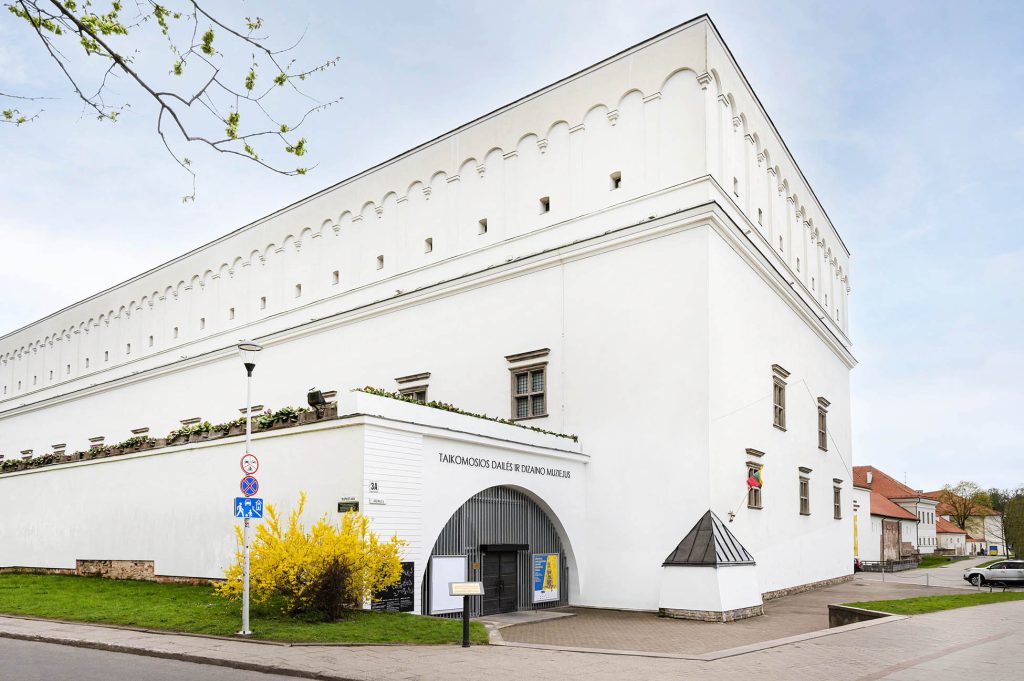
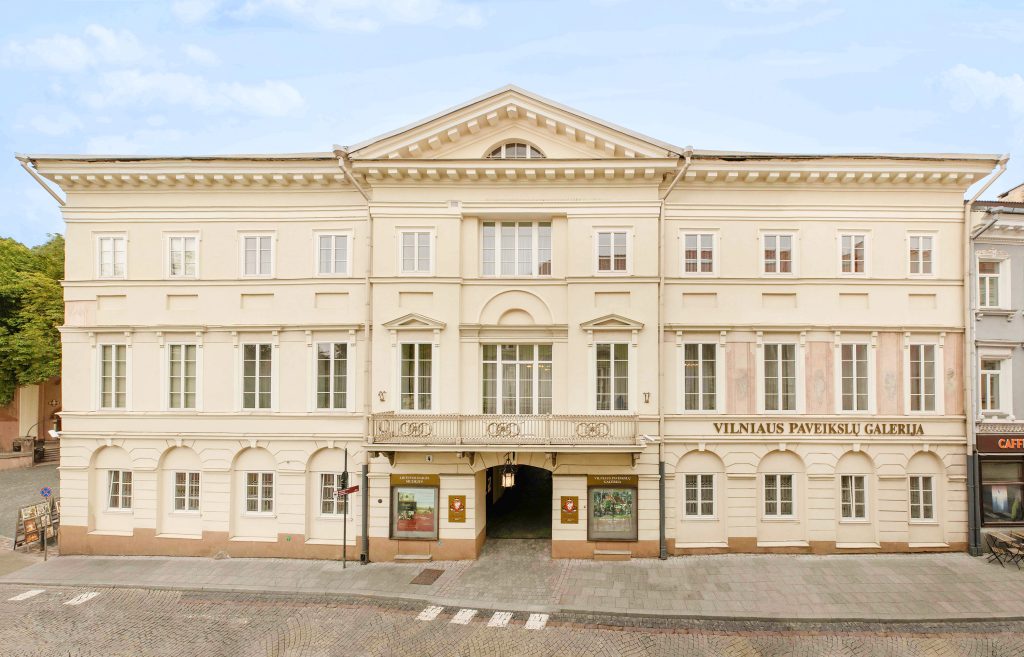
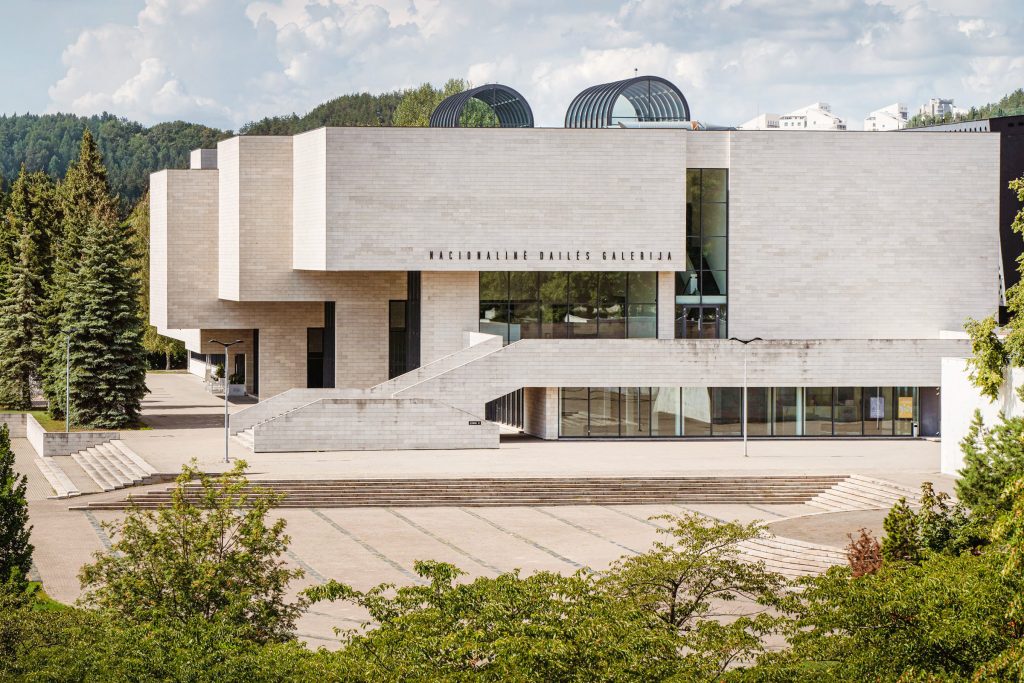
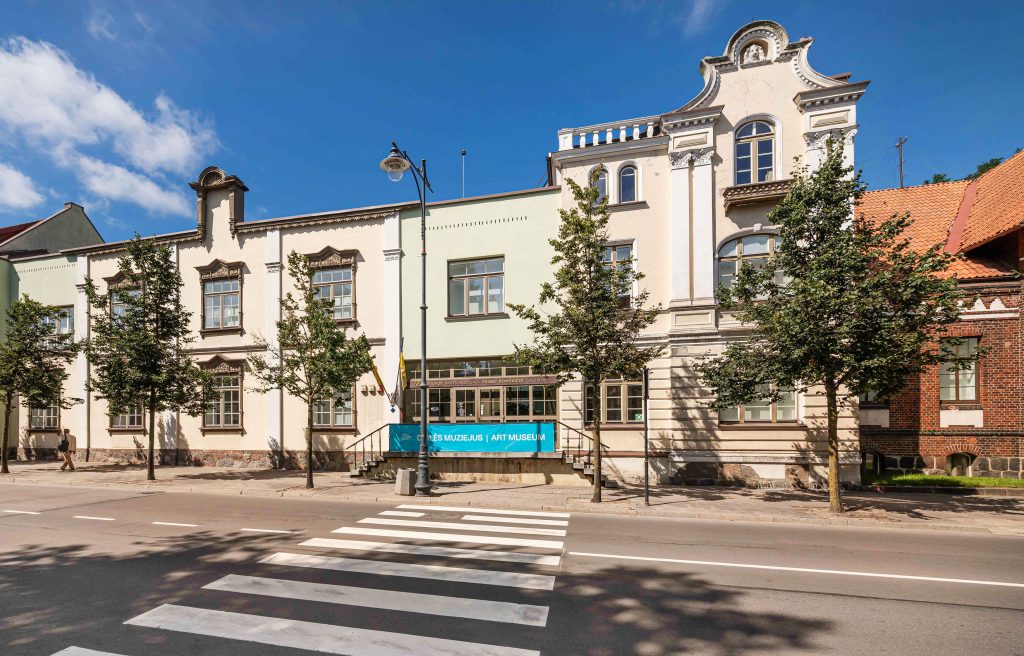
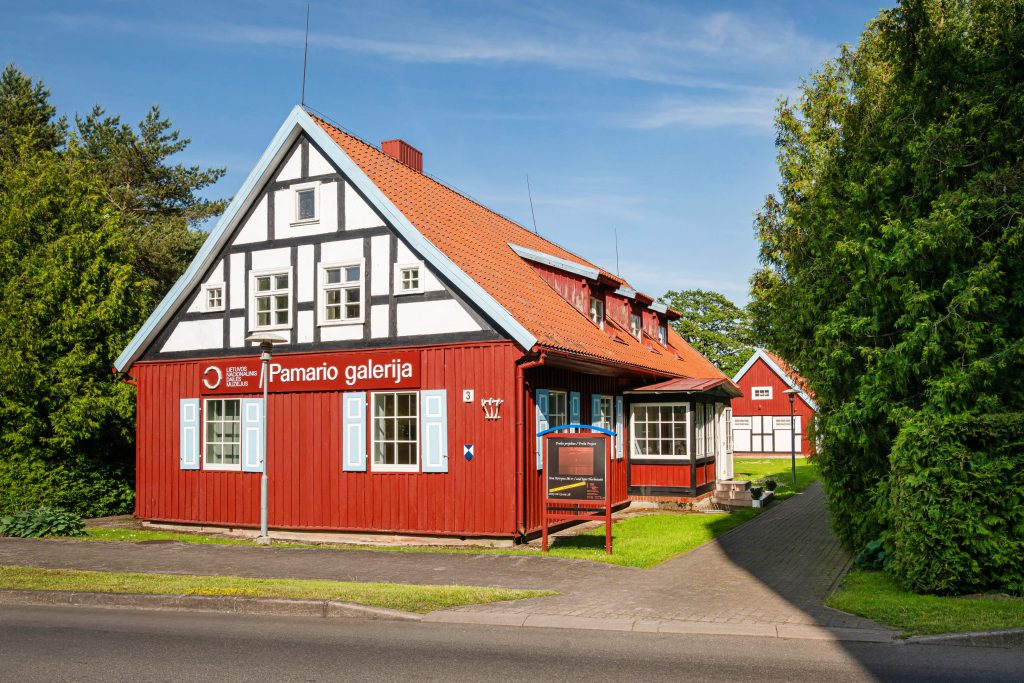
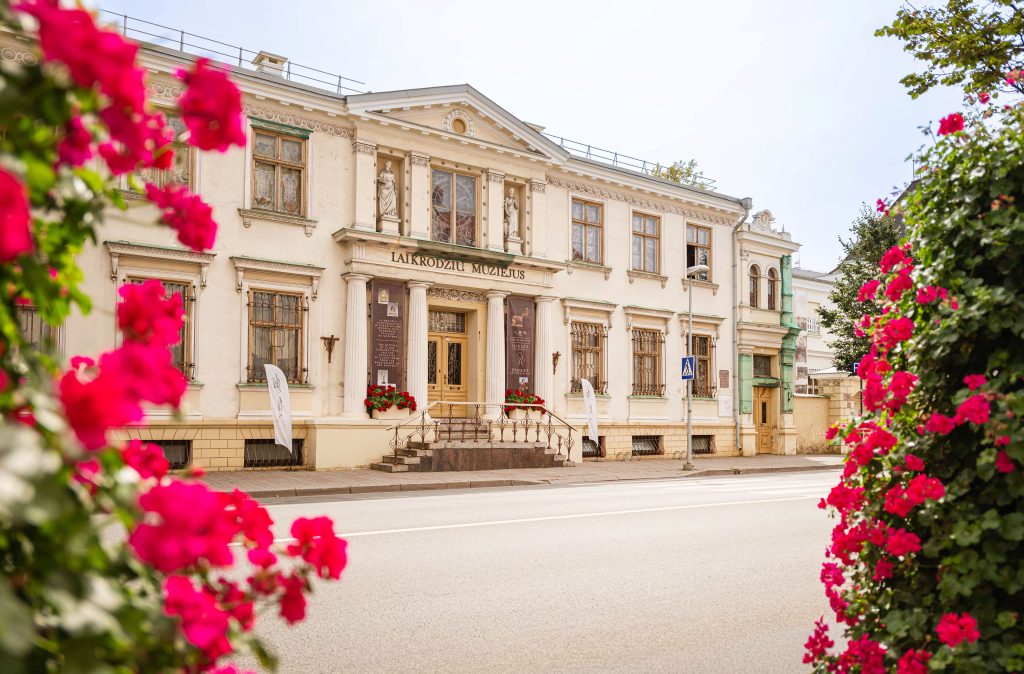
Exhibition organizer: LNDM Museum of Applied Arts and Design
Project Manager: Džiuljeta Žiugždienė
Curator: Dr. Lijana Natalevičienė
Curator: Dr. Jurgita Ludavičienė
Koordinatorė Lina Bilinskienė
Architect: Saulius Valius
Architect: Rasa Butškytė
Coordinating Architect: Eglė Jagminė
Designer: Marius Žalneravičius
Editor: Dr. Ieva Puluikienė Translator: Dr. Raminta Bumbulytė