





















Baltic artists, who moved in thriving intellectual circles receptive to other European influences (Estonian “Noor-Eestiin” Tartu, Latvian “Rūkis” in Saint Petersburg, and Lithuanian Association “Rūta” in Krakow, etc.), were significant when gathering the progressive youths, establishing various cultural societies in their countries. Most of the artists acquired their education abroad and were influenced by the Russian artistic circles (Mir Iskusstva, N. Roerich), they were also influenced by German art (Arnold Böcklin) and Scandinavian art (Edvard Munch). Paris, as the centre of the artistic world of the time, was visited by the artists to familiarise themselves with the most contemporary Western art movements and their representatives (August Rodin, Paul Gauguin, James A. M. Whistler). Baltic artists absorbed the creative freedom idea and belief in the power of art to express the depths of human spirituality from the Western Europe, while when reflecting on the history of their own countries and long-lived traditions they created a solid foundation for their future explorations – the journeys of the wild souls.
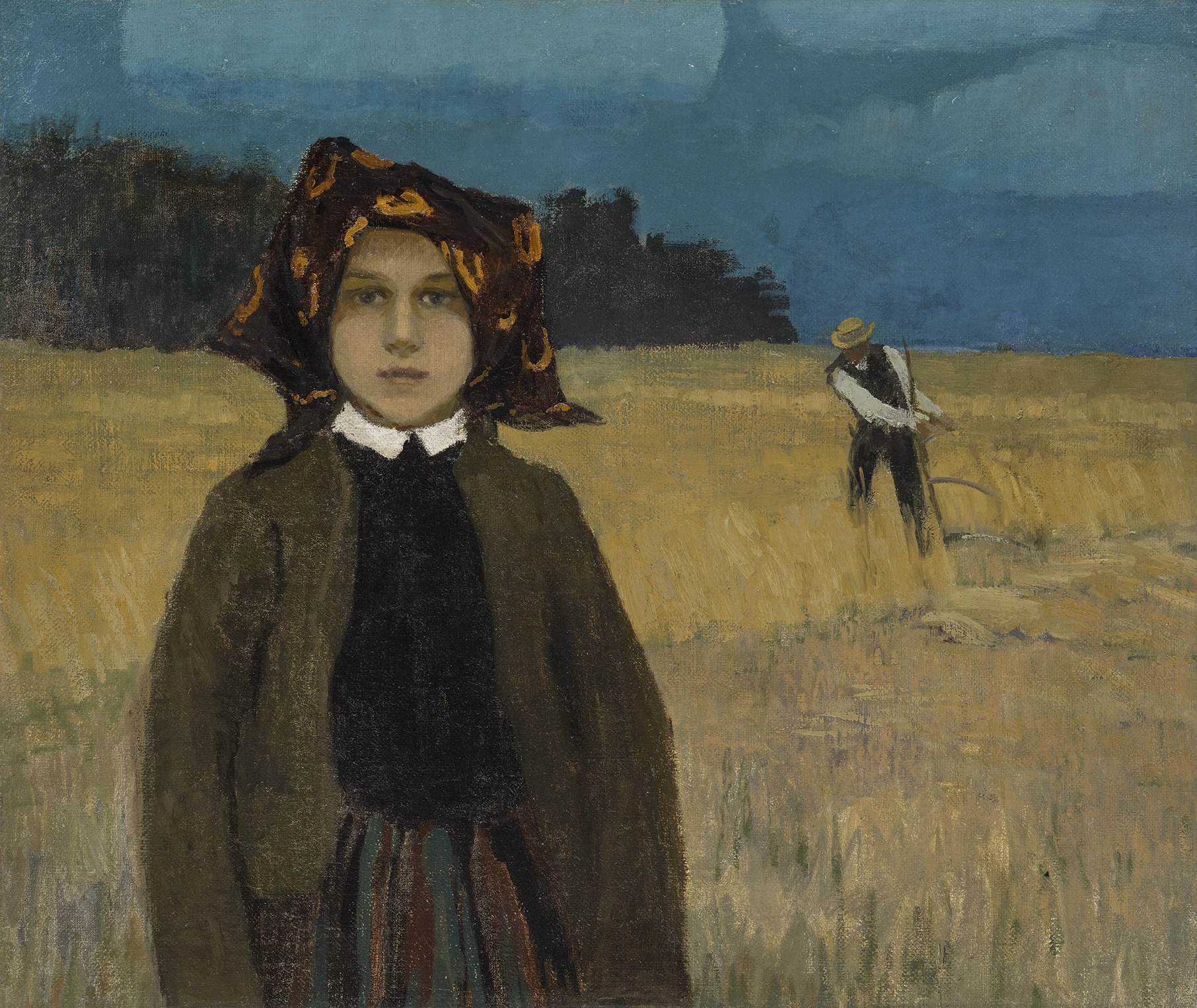
Although Symbolism spread throughout Europe in the 1890s before going into gradual decline on the eve of World War I, in the Baltic states it arrived later and was different, and greatly varied. Symbolism as an international artistic movement strived to reveal an intangible truth hidden behind the outward appearances of the physical world. Artists from the Baltic countries adapted these principles in their compositions in their own way, which sometimes appear as enchanting and timeless, sometimes – dark and perverse in the cosmopolitan fin-de siécle manner, and sometimes offer captivating natural landscapes painted in various styles.The celebration of the homeland, borrowings from folklore and popular legend, and the use of vernacular motifs as archaeological reminders of a national culture were all vehicles for constructing an identity. Mythological references (the Kalevipoegin Estonia) and landscapes of their homelands celebrating the rhythm of the seasons tended towards the creation of an alternative reality sometimes verging on political symbolism.
Curator Rodolphe Rapetti
Adaptation of the exhibition for the National Gallery of Art: Algė Andriulytė, Eglė Mikalajūnė
Collections: Art Museum of Estonia, Tartu Art Museum, Estonian History Museum, Under and Tuglas Literature Centre, Latvian National Museum of Art, The Lithuanian National Museum of Art, M. K. Čiurlionis National Museum of Art, Collection of the law firm “Ellex Valiunas”, Andris Kļaviņš’s Collection, Collection of Andrius Jankauskas
The exhibition has been organised by: The public establishment of the Musée d’Orsay and Musée de l’Orangerie, Paris, Art Museum of Estonia, Tallinn, Latvian National Museum of Art, Riga, The Lithuanian National Museum of Art, Vilnius, M. K. Čiurlionis National Museum of Art, Kaunas
Exhibition designer Ieva Cicėnaitė
Graphic design Laura Grigaliūnaitė
Partners: Ministry of Culture of the Republic of Lithuania, Ministry of Culture of Latvia, French Cultural Institute, Ministry of Culture of Estonia, French Ministry of Culture and Communication, Embassy of France in Vilnius, LRT
Sponsors: Lithuanian Culture Foundation, BTA Viena Insurance Group, Exterus / Fundermax
Media sponsor JCDecaux


