























As the Lithuanian national cultural movement developed in the late 19th – early 20th centuries, folk art came to be considered a fundamental national value. Famous cultural and state figures took the initiative to collect, nurture and promote the nation’s creativity. It was with infinite pride and exaltation that folk art works were demonstrated at agricultural fairs and the first Lithuanian art shows, where they received acclaim in Paris, Monza and Stockholm. President Kazys Grinius diligently collected aprons from the Suvalkija region, while in his writings art researcher Paulius Galaunė remarked many times that everything that we could be proud of had been created by ordinary people from the countryside. Folk art is that living spring from which generations of professional artists seek inspiration – it is also that which we can still astonish the rest of the world with today.
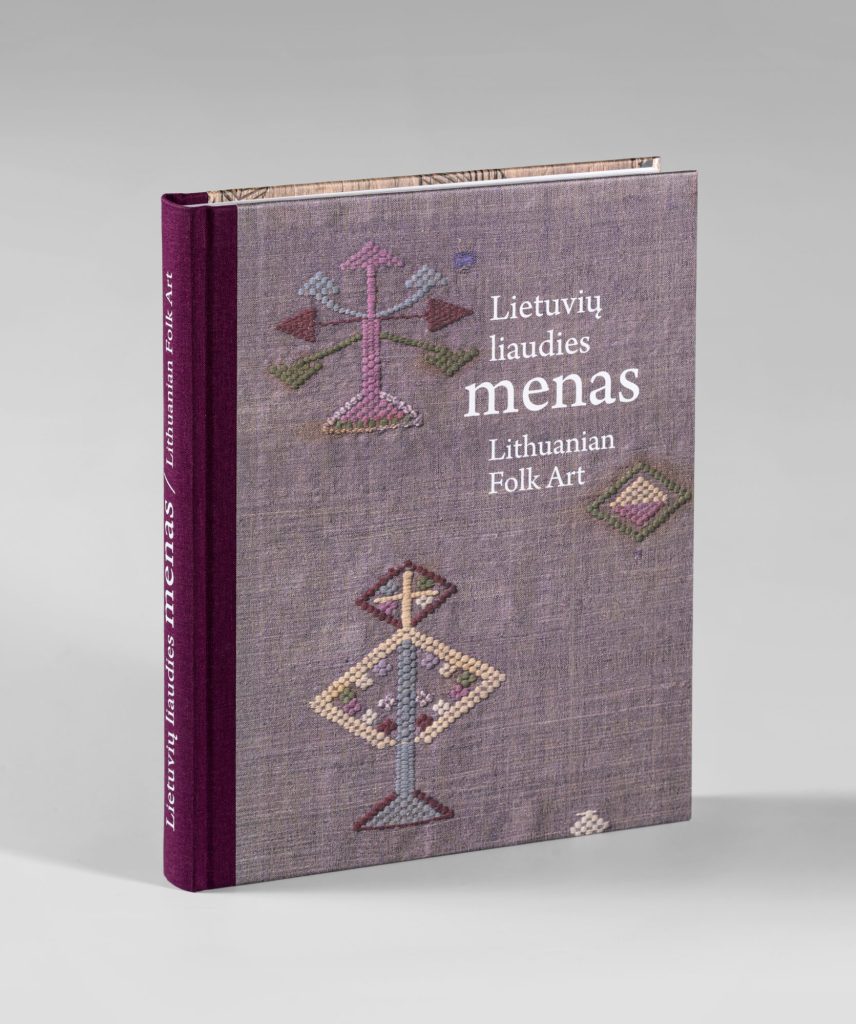
The museum’s folk art collection was formed purposefully from the very beginning – by selecting exhibits of the greatest artistic and historical value. Close to 400 of the most valuable works from the late 18th – early 20th centuries are contained in this representative album, revealing wood-crafting, blacksmithing, pottery, weaving and other traditions fostering the Christian faith, upheld in village communities over the centuries and passed down from generation to generation.
Album
Editors: Dalia Bernotaitė-Beliauskienė, Marija Kuodienė, Irena Ūdraitė
Copy editors: Monika Grigūnienė, Gražina Rutskienė
Translation by Albina Strunga
Designer Loreta Uzdraitė
Published by Lietuvos dailės muziejus. Vilnius, 2018
Printed by UAB „Standartų spaustuvė“
Edition of 600
Project partially financed by Lithuanian Council for Culture


