





















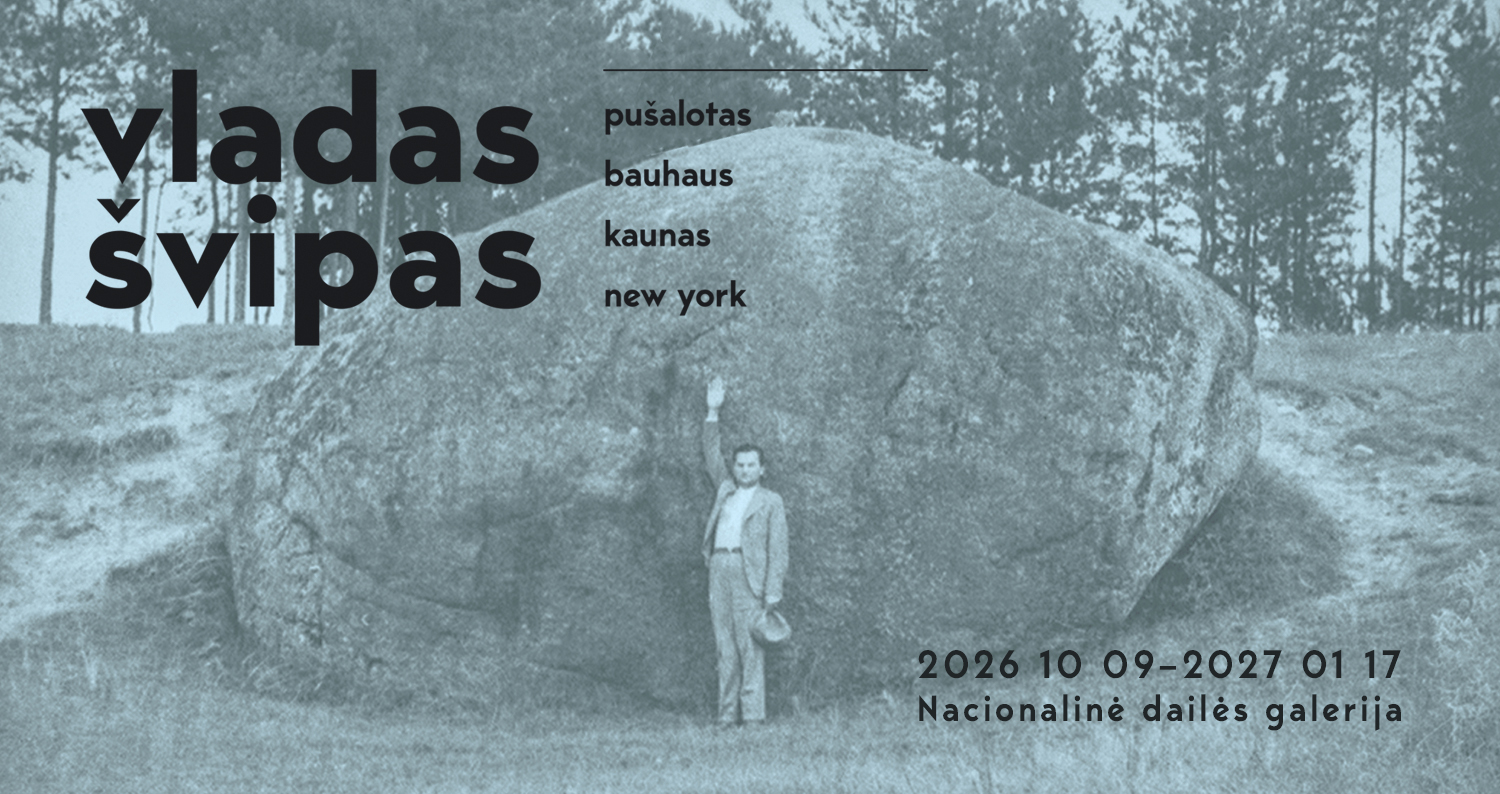
Švipas studied in Wassily Kandinsky’s workshop from 1924 to 1926 and completed an internship at the Bauhaus Architecture Office in 1928. In interwar Kaunas, he developed ideas of rational planning in public service and through his theoretical work. During the Second World War, Švipas navigated between the Soviet and Nazi occupation regimes. At the end of the war, he further developed his architectural ideas in a Displaced Persons camp in Germany from 1945 to 1949, until he emigrated to the United States with the help of former Bauhaus director Walter Gropius and began a new life in New York.
Švipas’s legacy invites a broader view of the architectural profession as the work of a modern technical expert. His biography raises questions about the architect’s role amid political change, forced migration, and within the diaspora. The exhibition highlights Švipas as a modernist architect while tracing the transnational history of professional migration in architecture, shaped by political regimes and historical ruptures.
Produced by: Kultūros projektų asociacija DOCUMENTUM
Curator: dr. Marija Drėmaitė (Vilnius University)
Project manager: Lina Pranaitytė
Architect and designer: Vika Pranaitytė (O-D-A . architecture studio)
Photographer and researcher: Lukas Mykolaitis
Models: Urtė Šimkutė
Image Editing: Aust.studio
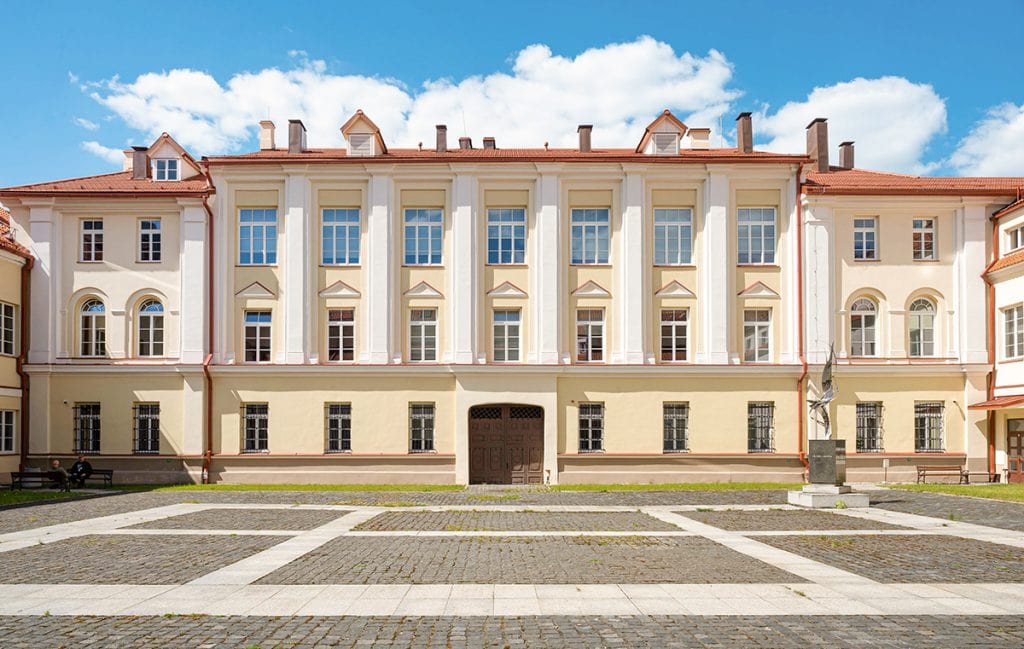
Exhibition partner: LNDM Nacionalinė dailės galerija
Coordinator: Giedrius Gulbinas (NDG)
Project partner: LAPAS books
The exhibition is financed by the Lithuanian Council for Culture
Exhibits were loaned by: Nacionalinis M. K. Čiurlionio dailės muziejus, Vilniaus universiteto biblioteka, Lietuvos mokslų akademijos Vrublevskių biblioteka, Lietuvos nacionalinė Martyno Mažvydo biblioteka, Lietuvos centrinis valstybės archyvas, Lietuvos nacionalinis muziejus, Kauno apskrities Ąžuolyno viešoji biblioteka, Leidykla „Vaga“, Alfonsas Švipas, Bernd Freese, Galerie Berinson Berlin


