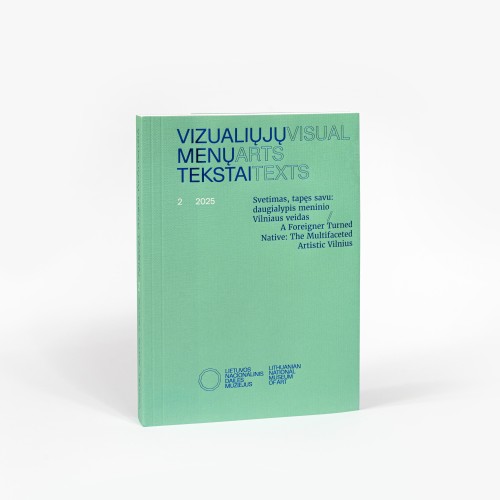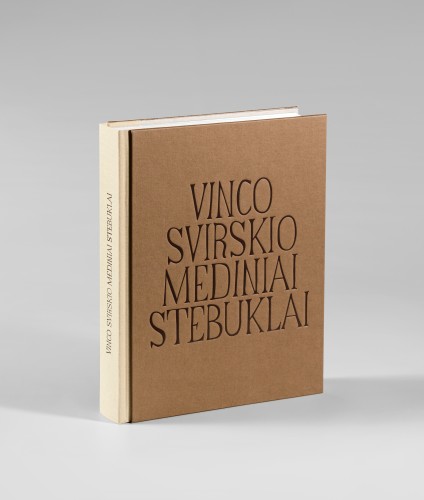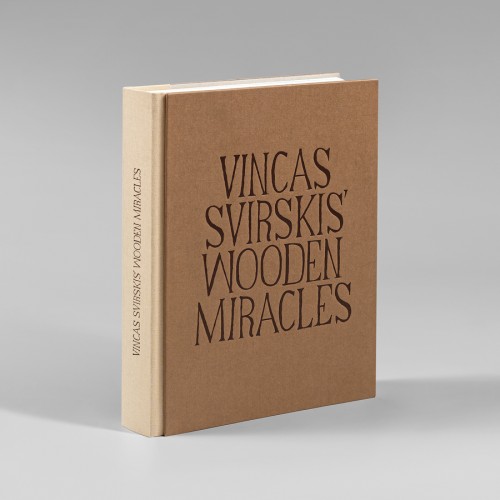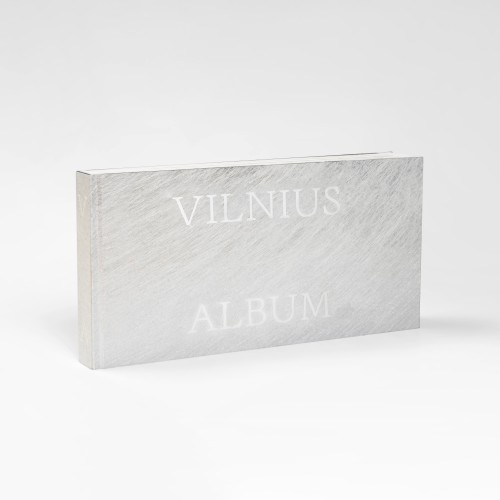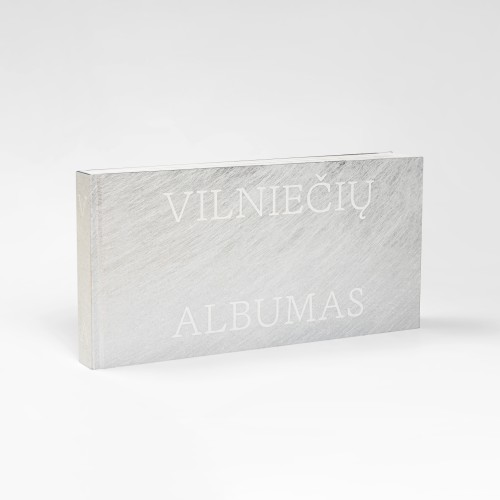











The research reveals the semiosis of the landscape, which forms the multifaceted communication between processes in nature and human activity, its genesis and visualisation in photography. Photographers not only register the constantly changing text of a landscape, they also create its manifold interpretations, opening up cultural and ideological discourses that impart a sense of the passing of geological, mythological, historical and physical time, testing the symbolic meanings of the landscape against the value scale of their life or a particular epoch, and outlining the prospects for future civilisations.
This interdisciplinary research is grounded in a broad approach encompassing different scholastic fields and philosophical concepts, including: theory of linguistics, humanistic geography, environmental protection, sociology, art history and art theory. The synthesis of knowledge from various fields provided a foundation for a complex and historical analysis of the development of the landscape photography genre, unveiling the significance of the evolution of the concepts of environmental protection and landscape established in society on art photographers’ work and their value-based provisions, and the variety in views and voices.
Reviewers: Dr Giedrius Gulbinas, Dr Ieva Mazūraitė-Novickienė
Design Jonė Miškinytė
Copy editor Ieva Puluikienė
Digitisation Vaidotas Aukštaitis
Photographer Antanas Lukšėnas
Translation Albina Strunga
Coordinator Skaistė Marčienė
Published by the Lithuanian National Museum of Art, 2026
300 copies
236 p.
ISBN 978-609-426-217-3